

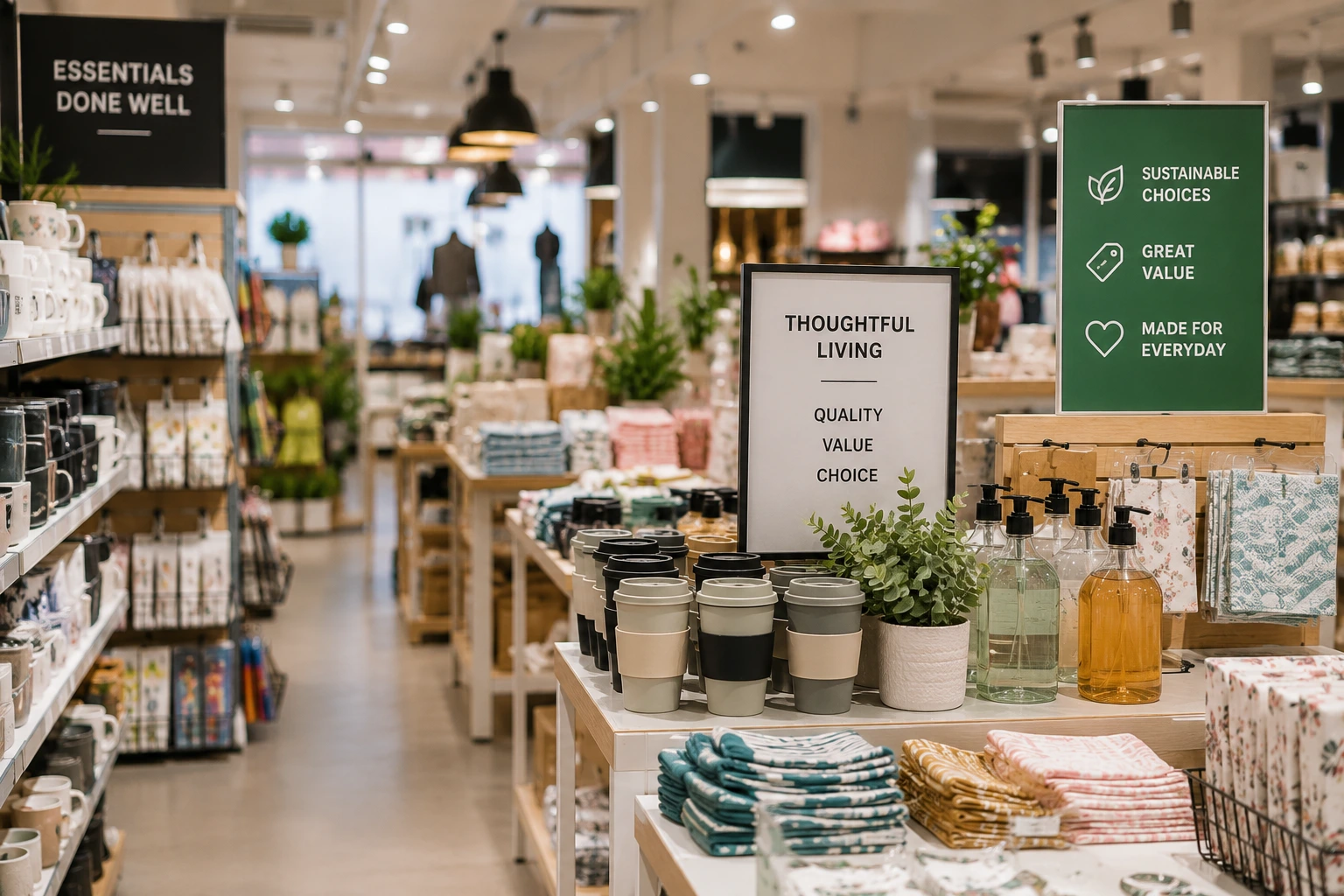
Every retail business carefully monitors major areas of expenditure such as payroll, rent, utilities and inventory. Yet one category can fall through the cracks, escaping the same level of scrutiny despite being used every single day across every store: GNFR (Goods Not For Resale) or operational consumables.
As one retailer put it: “There’s always something slipping through the cracks if you’re not paying attention.” Joe Pennington, Retail Director
Carrier bags, labels, cleaning products, packaging, gift wrap, till rolls , warehouse supplies, PPE, tape, stationery and seasonal POS materials may seem insignificant and not worth the effort to track individually. But across multiple stores and hundreds of staff, these small purchases can quietly mount up to become a significant source of unmanaged cost, waste and operational complexity.
For many UK retailers, the hidden costs are not simply about what they buy, but how they buy, manage and use consumables.
The Quick Answer
Retailers often underestimate everyday consumables because the spend is split across multiple budgets, suppliers and locations.
While each purchase appears low value, the combined result means:
Retailers that centralise GNFR procurement typically gain greater cost control, better reporting and reduced operational waste.
Operational consumables are products that help a retail business operate but are not sold to customers.
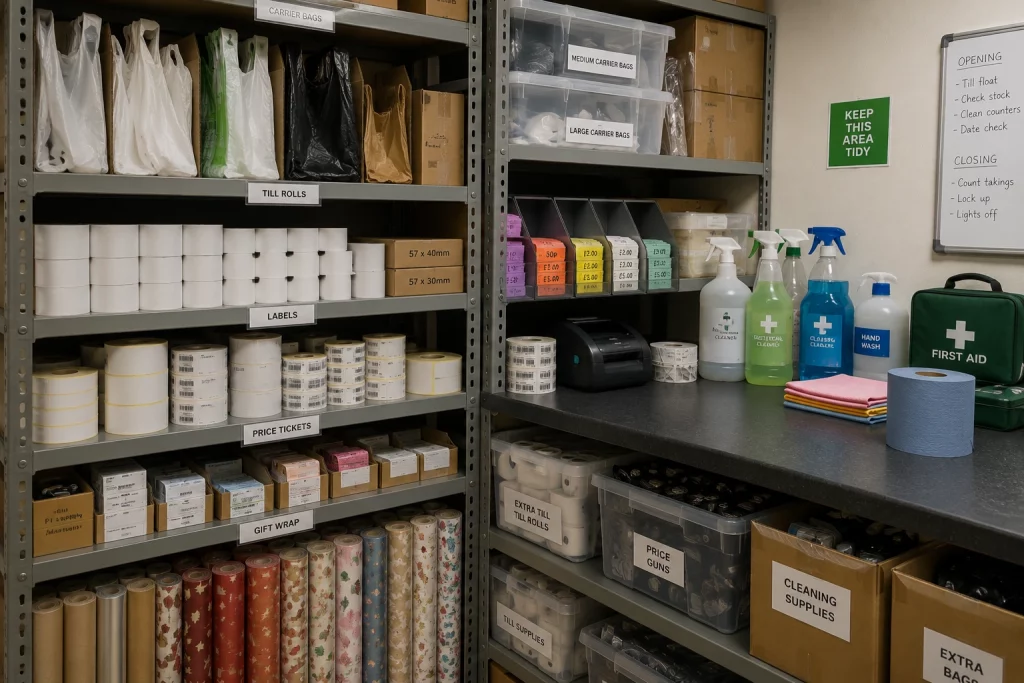
Common examples include:
These products fall under GNFR (Goods Not For Resale) procurement.
Of course, GFR (Goods for Resale) products will always be the stars of the show, but consumables support virtually every customer interaction and store operation.
Several factors contribute to this.
1. Individual items are inexpensive
A roll of tape or a box of labels costs relatively. Because individual purchases seem insignificant, they're rarely challenged.
However, multiply that purchase across:
…and these small costs can quickly and easily become six or seven-figure annual spend.
2. Spend is fragmented
Unlike merchandise buying, consumables are often purchased by:
Without central oversight, no single person has complete visibility, or feels compelled to take overall responsibility.
The Chartered Institute of Procurement & Supply (CIPS) documents a UK retailer that applied category management to its indirect services: supplier numbers fell by 35%, service-level compliance rose by 22%, and indirect spend was cut by 12% within 18 months. This is a concrete illustration of what visibility and consolidation can achieve , contributing directly the bottom line.
3. Hidden operational costs aren't measured
The purchase price is only one part of the equation.
Retailers also accrue and ultimately absorb costs through:
Zara Owen at The Body Shop put it this way: “actually I think some of the costs are in plain sight. But because of that we don’t necessarily think about them because we think they’re fixed costs, they’re costs that we have to absorb and address.”
4. Different stores buy different products
Without standardisation, individual stores naturally develop their own preferences.
This creates:
Standardising consumables simplifies operations while increasing purchasing leverage.
The true cost of consumables extends far beyond purchase price.
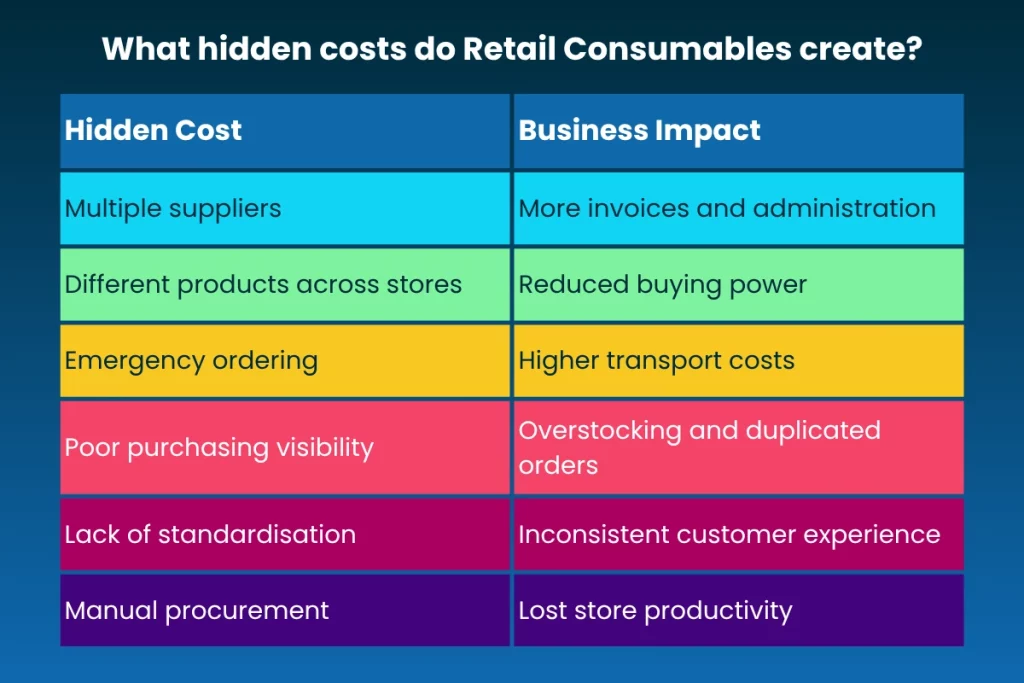
Procurement costs
Managing dozens, or even hundreds, of suppliers increases time taken for:
Benchmarking data from APQC shows organisations can spend anywhere from around $14 to more than $54 (around £40) to process a single purchase order. This gap is driven largely by how fragmented or standardised the purchasing process is, and multiplies quickly across tens of thousands of orders a year.
Store productivity
Every minute spent ordering supplies is time not spent serving customers.
Store managers frequently:
Across hundreds of stores, these administrative tasks represent thousands of hours annually.
Inventory waste
Poor visibility often leads to:
Retailers may simultaneously hold excess stock in one location while another store urgently requires the same item.
Sustainability costs
Consumables influence several sustainability objectives, including:
Choosing the cheapest option can sometimes increase environmental impact through shorter product life, additional deliveries or excess waste.
The Waste and Resources Action Programme's waste hierarchy guidance places prevention above every other stage of the hierarchy, including recycling, on the basis that stopping waste from being created delivers a greater environmental benefit than managing it afterwards.
Chris Rigg at Revaluate makes a similar point: “A lot of the waste is not obvious until you start looking.”
Many retailers have gradually accumulated dozens of consumable suppliers.
Each additional supplier increases complexity.
Supplier consolidation helps reduce:
It can also improve buying power through aggregated purchasing volumes.
Deloitte's 2025 Global Chief Procurement Officer Survey found that 57% of procurement leaders cite siloed working structures as a major obstacle to delivering value. This underlines why simplifying and consolidating fragmented supplier networks should be a priority for Retailers.
Retail operations leaders should regularly ask:
These questions often reveal opportunities that have gone unnoticed for years.
Retailers achieving the greatest efficiencies typically focus on five areas:
1. Centralise procurement
A single procurement strategy improves visibility and purchasing consistency.
2. Standardise products
Reduce unnecessary product variations wherever possible.
3. Consolidate suppliers
Fewer suppliers generally mean simpler administration and stronger commercial relationships.
4. Use purchasing data
Monitor spend by location, category and supplier to identify trends and opportunities.
5. Balance cost with sustainability
The lowest purchase price is not always the lowest total cost when waste, transport and operational efficiency are considered.
None of these can be successful in isolation, but as an overall approach to GNFR management, these key areas are crucial to a complete approach by
Acopia's 7 Cs of Retail Consumables sets these five areas out in more depth, as part of a seven-stage framework: Control, Clarity, Centralisation, Consolidation, Cost Savings, Conscious and Complete. This walks multi-site retailers through building this maturity in the right order, from establishing governance through to a fully joined-up strategy.
The Bottom Line
Operational consumables could appear to be small-ticket purchases, but they actually have an outsized influence on retail performance.
For multi-site retailers, the real challenge isn't simply buying tape, bags or labels more cheaply, it's understanding the hidden operational costs created by fragmented purchasing, inconsistent specifications and poor visibility.
By treating GNFR as a strategic category rather than an administrative necessity, retailers can reduce costs, simplify procurement, improve sustainability reporting and free store teams to focus on serving customers.
In a retail environment where every percentage point of margin matters, the biggest opportunities are not always found in headline expenditure.
Sometimes, they're hiding in the everyday consumables that keep every store running.
Frequently Asked Questions
What is GNFR?
GNFR stands for Goods Not For Resale. These are products a retailer purchases to operate the business but does not sell to customers.
Why is GNFR difficult to manage?
Because purchasing is often spread across departments, suppliers and store locations, making spend difficult to monitor and control.
Can consumables really affect profitability?
Yes. While individual products are inexpensive, the combined purchasing, administration, inventory and operational costs across a multi-site estate can have a measurable impact on margins.
How can retailers reduce consumable costs?
The most effective strategies include:
Sources and further reading