
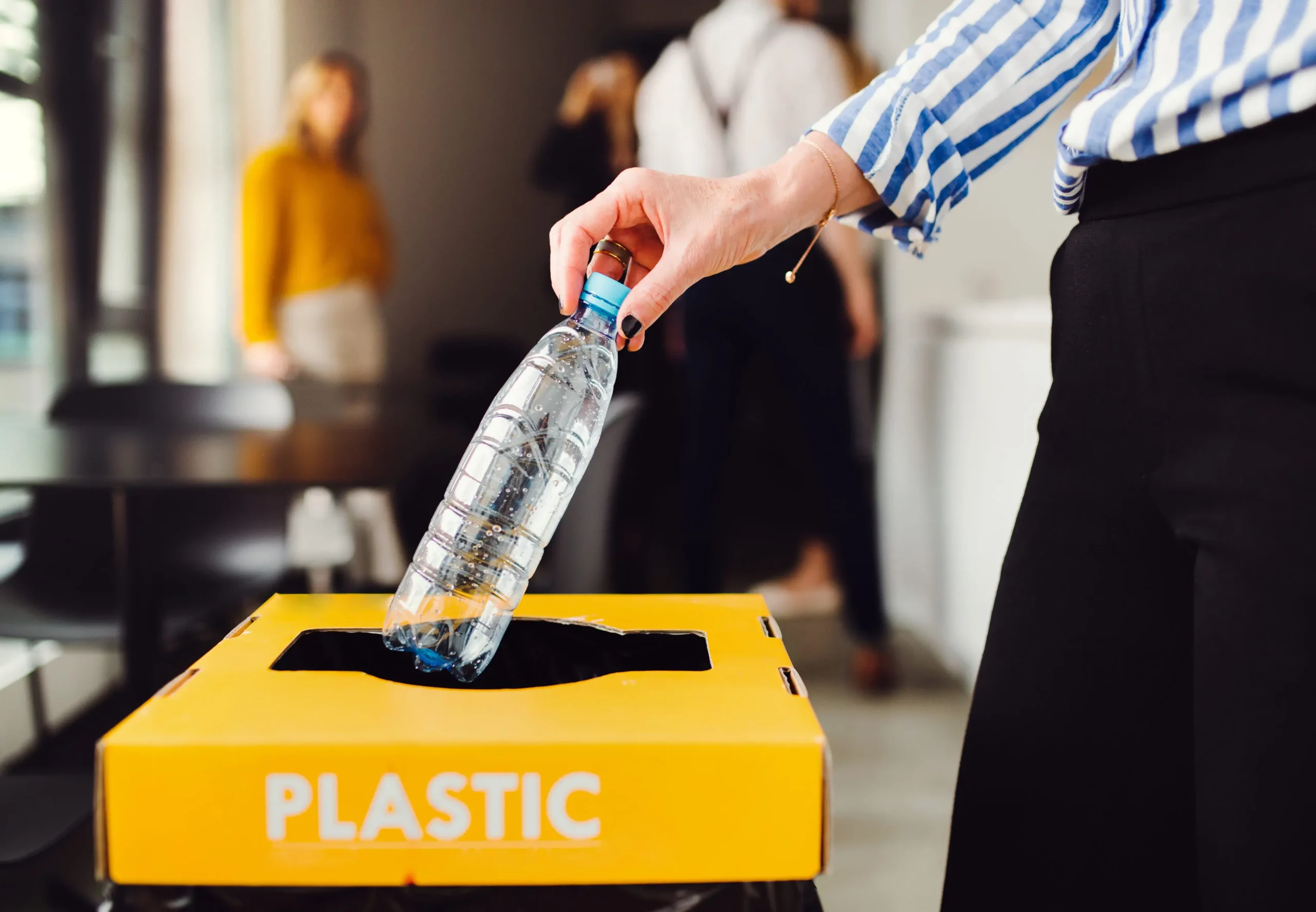
Key Insight: The Workplace Simpler Recycling Scheme mandates UK businesses to separate core waste streams, including dry recyclables, food waste, and non-recyclable rubbish in a consistent way from March 2025, transforming workplace recycling from a fragmented, location-dependent practice into standardised, legally required waste segregation that supports sustainability goals and reduces long-term disposal costs.
The introduction of the Workplace Simpler Recycling Scheme represents one of the most significant changes to business waste management in recent years. Rolled out in 2025 across the UK at the end of March 2025, this initiative aimed to standardise recycling practices across all businesses, bringing consistency and regulation to what has long been a fragmented system. For businesses with over 10 employees, these changes were essential for compliance, cost control, and importantly helping Retailers to support their sustainability goals.
The Workplace Simpler Recycling Scheme is part of the government’s wider Environmental Improvement Plan to increase recycling rates and reduce confusion around waste segregation.
In essence, the scheme mirrors the household waste recycling and collection that has been in place for years, but has now been tailored to the specific requirements for businesses and the waste that is generated.
At its core, the scheme is focussed on the consistent segregation and collection of six key waste streams across all workplace environments:
Under the regulations, businesses are required to sort waste into these categories, with clear labelling and arrange for appropriate collection and waste management. This standardisation is designed to overcome the current ad hoc approach to existing recycling systems that vary by location and waste collectors.
For many organisations, the scheme has required a complete overhaul of existing waste management including:
Businesses with multiple locations needed to ensure they could implement the scheme across all sites.
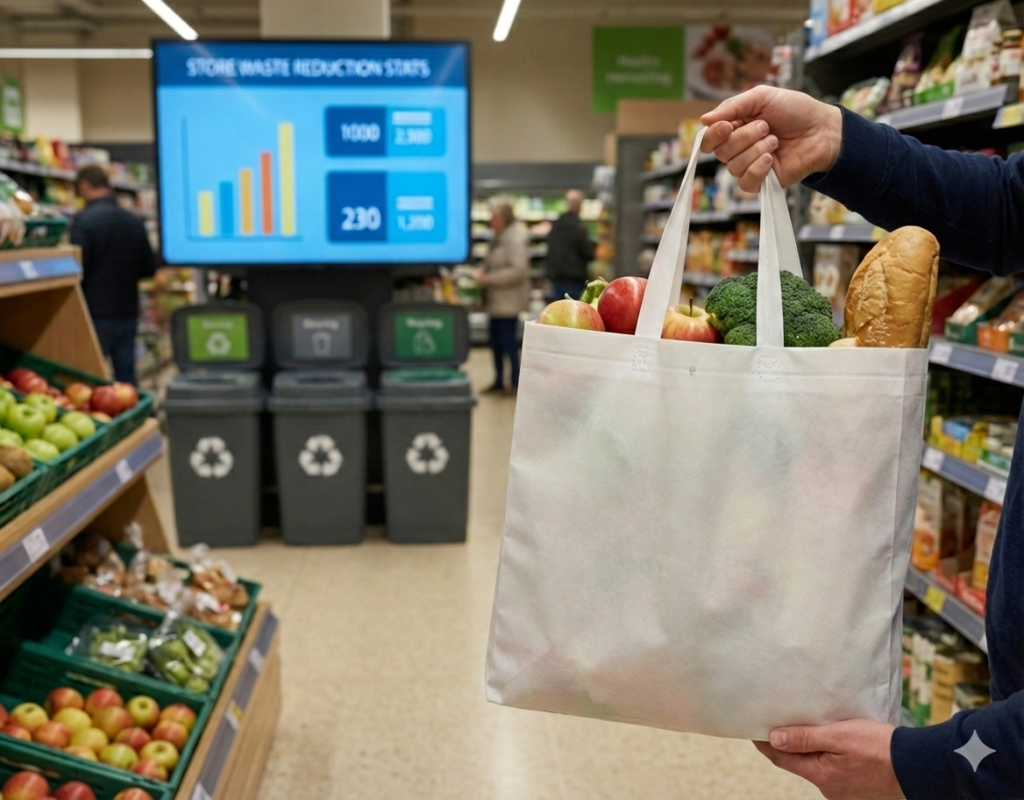
While the scheme is aimed at improving recycling rates, it did come with significant implementation costs:
For larger retailers and hospitality businesses, these costs are substantial. Some major retailers saw steep implementation costs in the millions, adding to other rising operational expenses such as National Insurance and Extended Producer Responsibility (EPR) fees.
Despite the implementation challenges, improved waste segregations schemes offer many benefits such as:
Many retailers have reported that following the introduction of the scheme that they have been able to reduce disposal costs because recycling services are generally cheaper than sending waste to landfill (where taxes are rising). Proper segregation has also led to lower charges for contaminated waste.
The most obvious way to reduce costs is by reducing waste!
Sounds simple enough but it will require effort to understand how this can be achieved in every business. But this simple guidance may be a good starting point:
Conclusion
The Workplace Simpler Recycling Scheme represents both significant challenges and opportunities for UK businesses. While implementation costs and operational changes are unavoidable, organisations that approach the scheme strategically can minimise disruption and costs, turning it into a positive experience.
Working closely with a reduced number or even a single supplier can have a significant impact on your waste recycling volumes for packaging for paper, card and plastic packaging. The less your suppliers use on their packaging when delivering to you, the less you need to recycle and pay to dispose of.
It’s time to get creative with innovation solutions and reusable items to help mitigate costs through reduced packaging waste and general recycling, ultimately working towards a more sustainable outcome.
For more information on how how we work with our customers to reduce their packaging waste, simply email us at [email protected] for support.